
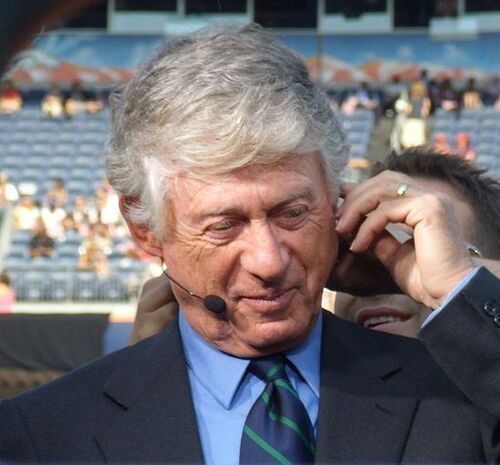
Defensiveness—in the form of closed gestures, a tight smile, or abruptly clipped answers—leads the audience to wonder what you’re hiding.In order to help our trainees, I encourage them to change their interior monologues before they begin their second round of practice interviews. Instead of, “Oh, no, here come the tough questions,” I ask them to try, “I’m so happy you asked me that, because your question gives me an opportunity to discuss that issue.” You’d be amazed by how much that small mental adjustment helps them convey a more open tone. That openness not only helps to persuade the audience but also defangs most interviewers, who are less inclined to probe a spokesperson who appears to have little to hide. Beyond the fear of the unexpected question, defensiveness comes across in at least three other ways….
See on www.mrmediatraining.com

Kenneth Carnesi holds a Juris Doctor degree from New York Law School and a Professional Certificate in International Banking from Harvard Law School. Kenneth Carnesi is the Director of Operations and Government Sales at Anaptyx LLC and sits on the Boards of The Lazarus Organization, Monkeetech LLC and MG Madison Phillips, Inc. Mr. Carnesi has also founded CICG - Carnesi International Consulting Group, a company specializing in strategy consulting to small to mid-size businesses.


 Kenneth Carnesi
Leave a comment